Jakarta Bapemperda Discusses P4GN Draft Regulation with All Stakeholders
Reported by Fakhrizal Fakhri | Translated by Maria Inggita
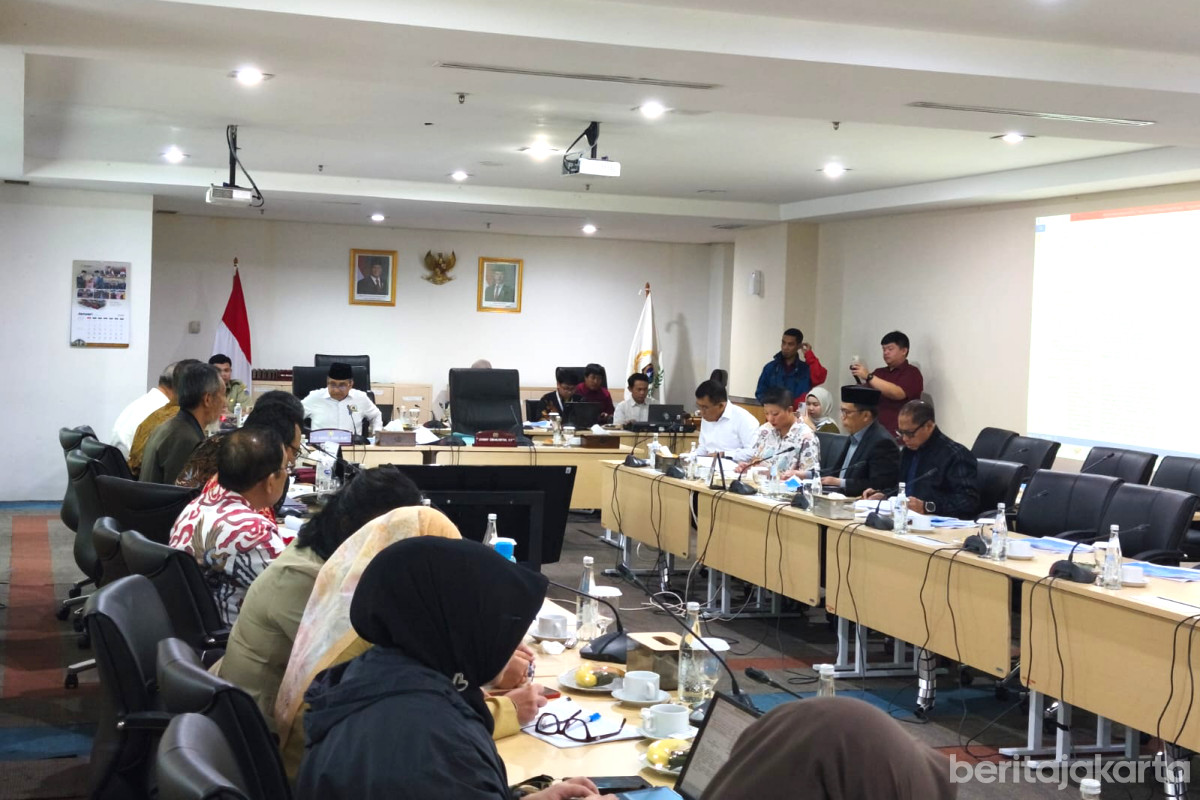
The Regional Regulation Formation Agency (Bapemperda) of the Jakarta City Council has conducted a clause-by-clause review of the Draft Regional Regulation (Raperda) on the Prevention and Eradication of Drug Abuse and Illicit Trafficking in Narcotics and Narcotics Precursors (P4GN).
"...t he drug-related issues cannot possibly be resolved by just one party,"
Jakarta Bapemperda Chair Abdul Aziz stressed that addressing drug-related issues cannot be handled by a single institution, but requires cross-sector collaboration.
"Thankfully, today's discussion was attended by all relevant stakeholders, because the drug-related issues cannot possibly be resolved by just one party," he said on Tuesday (1/27).
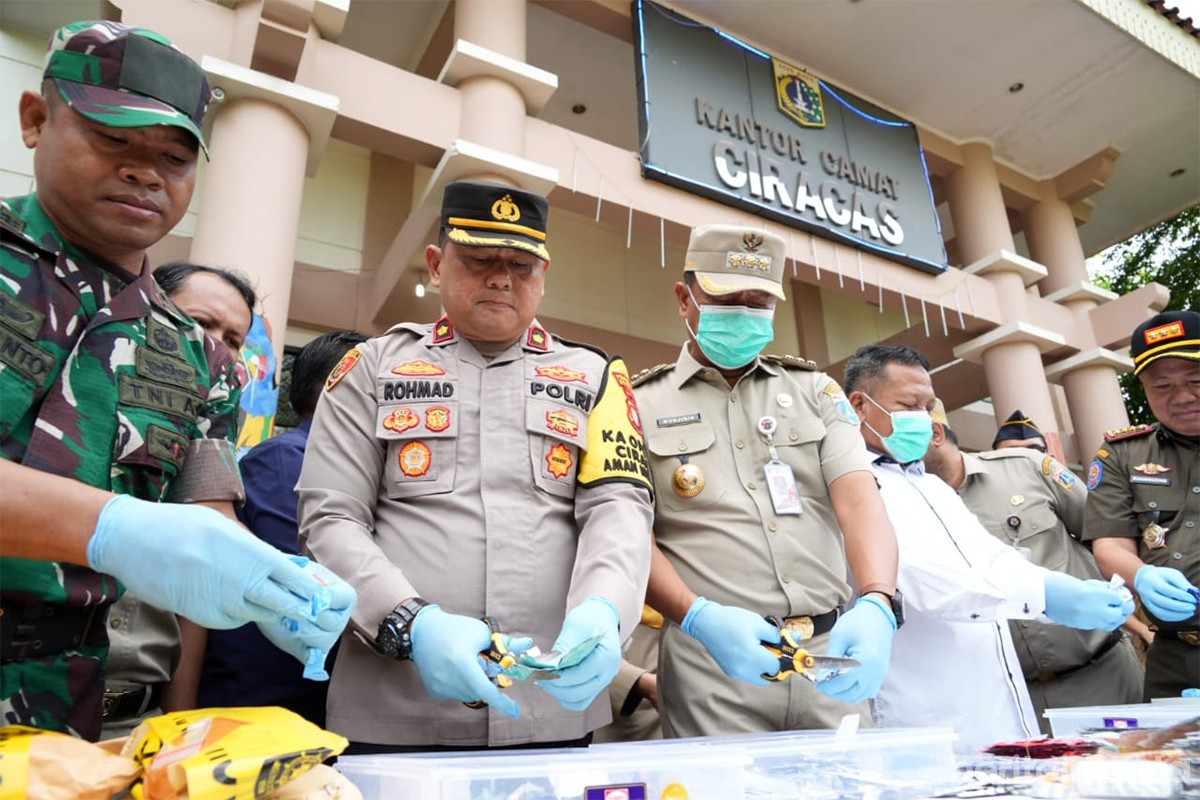
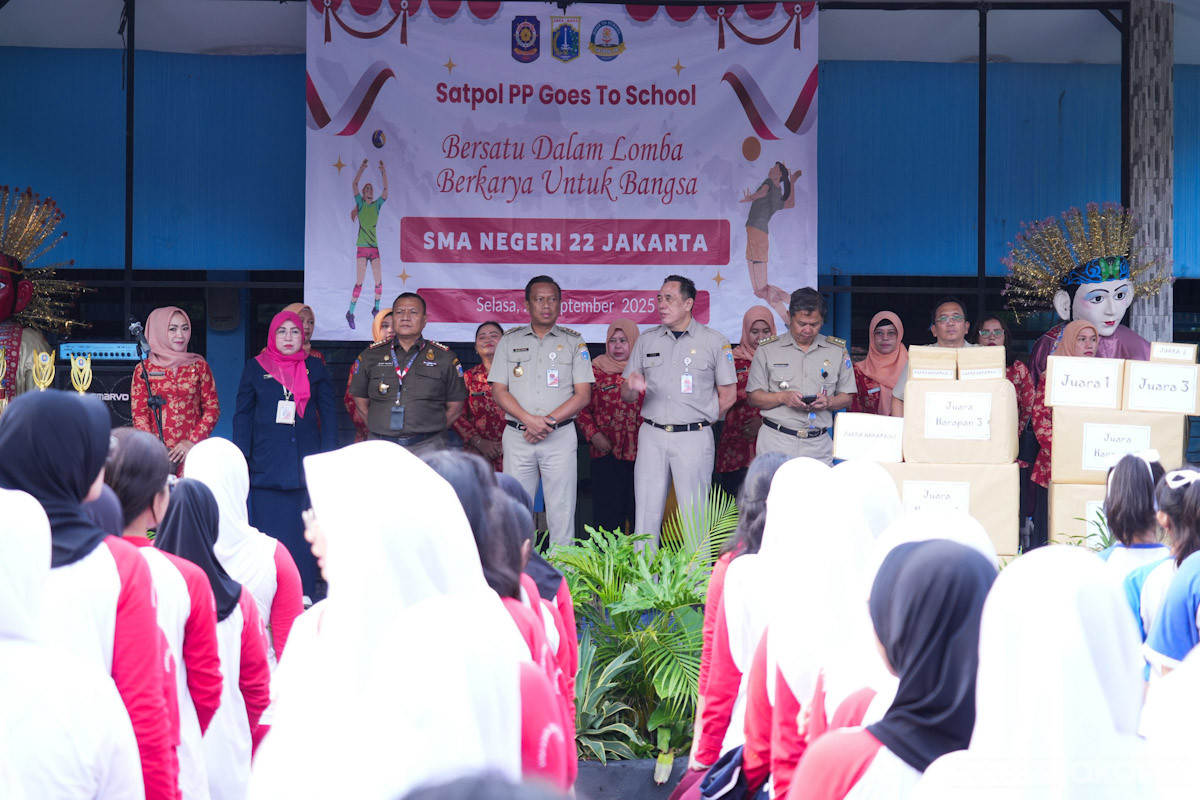
South Jakarta Satpol PP Socialize P4GN in Petukangan Selatan Urban VillageBesides representatives from the Jakarta Provincial Government, the P4GN draft discussion also involved external stakeholders, including the Jakarta National Narcotics Agency (BNNP) and several non-governmental organizations (NGOs).
Aziz said the involvement of multiple stakeholders is expected to help ensure the P4GN regulation better reflects public aspirations in efforts to combat drug abuse in the city.
He noted that the formation of the P4GN regulation is considered highly urgent, given that Jakarta is categorized as a red zone for narcotics distribution. He revealed that 160 urban villages are classified as drug-alert areas, while 20 urban villages are categorized as drug-danger zones.
Meanwhile, the number of drug users in Jakarta has reached 1.85 percent of the total population, or approximately 190,000 people.
"This is a strong reason why this regulation is both important and urgent, especially since Jakarta is among eight of Indonesia's 38 provinces that do not yet have a P4GN regulation," he explained.
Currently, Aziz added, the P4GN draft regulation consists of 29 articles, with the possibility of additions or reductions following further deliberations. Therefore, Bapemperda has called for public support to ensure the regulation can be implemented effectively.
"This is the responsibility of local governments in each urban village to ensure the safety of their respective areas," he stated.